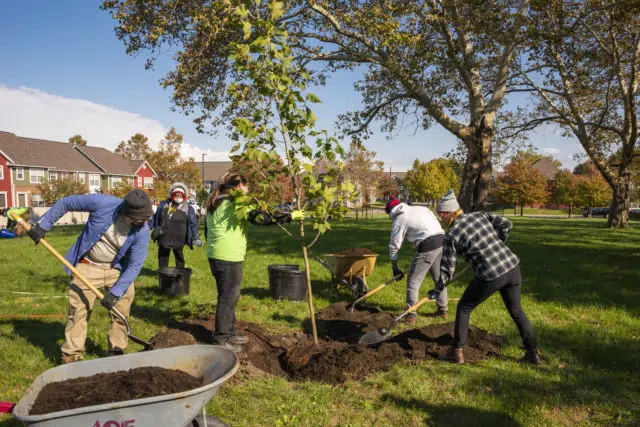
HF&G Builds on Rare Oak Conservation Work Through Collection, Propagation, and Collaboration
March 2, 2026
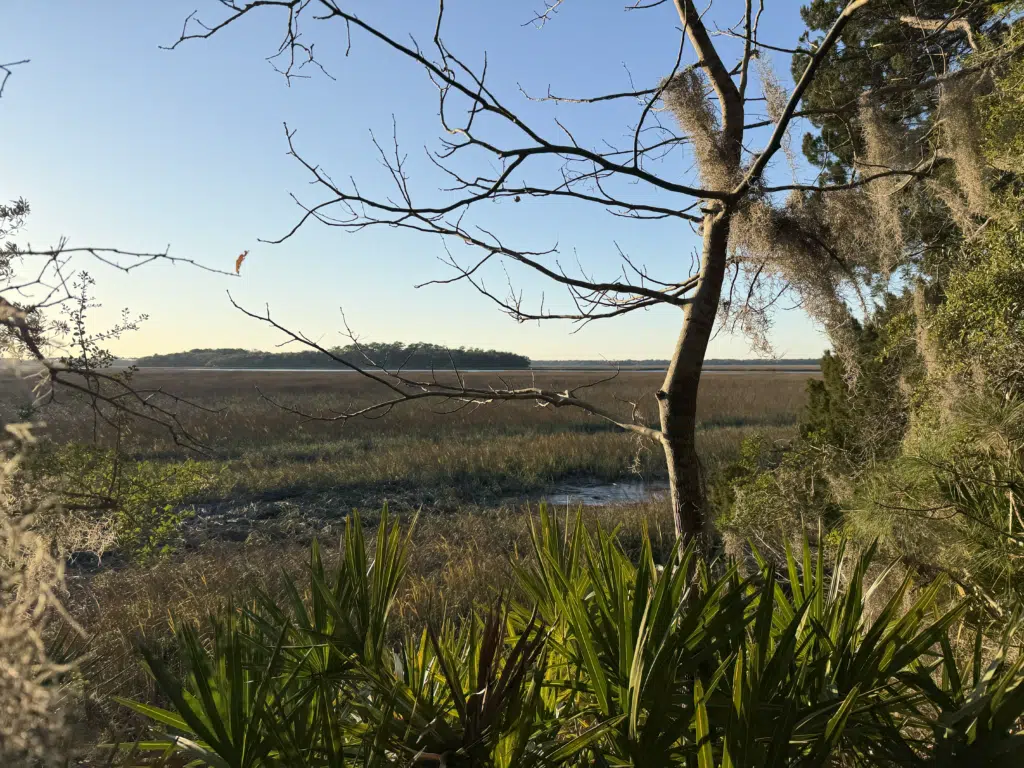
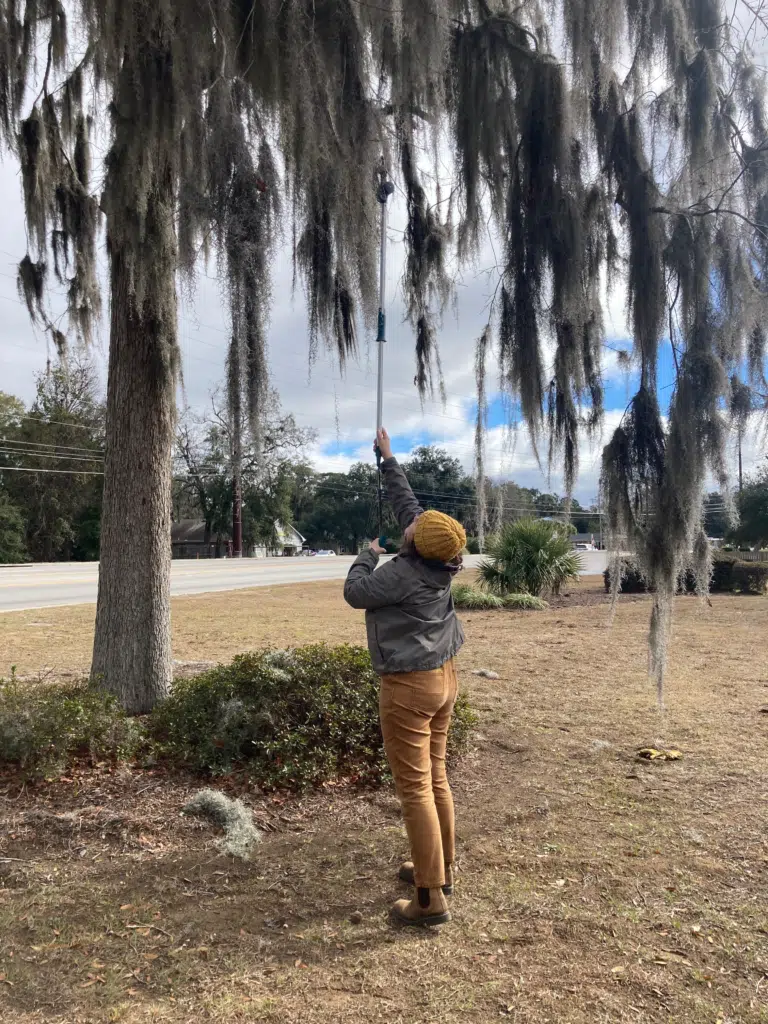
In the last week of January, I returned from a plant collecting trip through coastal Georgia, Florida, and South Carolina in search of bluff oak (Quercus austrina), an uncommon oak with a scattered distribution throughout the southeastern coastal plains that is categorized as Vulnerable on the IUCN Red List. HF&G’s work with bluff oak began about two years ago when Rhododendron Collection Manager Connor Ryan, Propagator M Onion, and I joined partners from the Global Conservation Consortium for Oak to collect acorns across the species’ range for safeguarding in ex situ collections nationwide (read more about our 2023 trip in this blog). Funded by the International Oak Society, this year’s collecting trip focused on the collection of scion wood–cuttings of young, dormant twigs used to propagate woody plants clonally through grafting– from lone specimens and trees most likely to be impacted by development or natural disaster. In this post, I explore the strategies that arboreta employ to propagate rare species like bluff oak with the goal of capturing and maintaining genetic diversity in their collections.
There are different reasons why one would choose to propagate a woody plant by seed versus grafting. To help illustrate these differences, consider an oak tree. When oaks flower in the spring, pollen from male flowers travels on the wind until it reaches the sticky stigma of a female flower. This pollen fertilizes an ovule in the female flower, and an acorn begins to develop over the course of the next one to two years, depending on the species. If you planted 100 acorns from a single oak tree, you would get 100 genetically unique individuals: just like human siblings, no two trees would be exactly alike. In contrast, if you collected 100 pieces of scion wood from the same tree, grafted them to rootstock, and planted them, you would get 100 identical clones of the mother tree. This is why grafted trees are common in the commercial horticulture industry—clonal propagation ensures that the trees being sold all have the exact same desirable traits being marketed like flower size, bloom time, fall color, growth form, and a host of other characteristics.
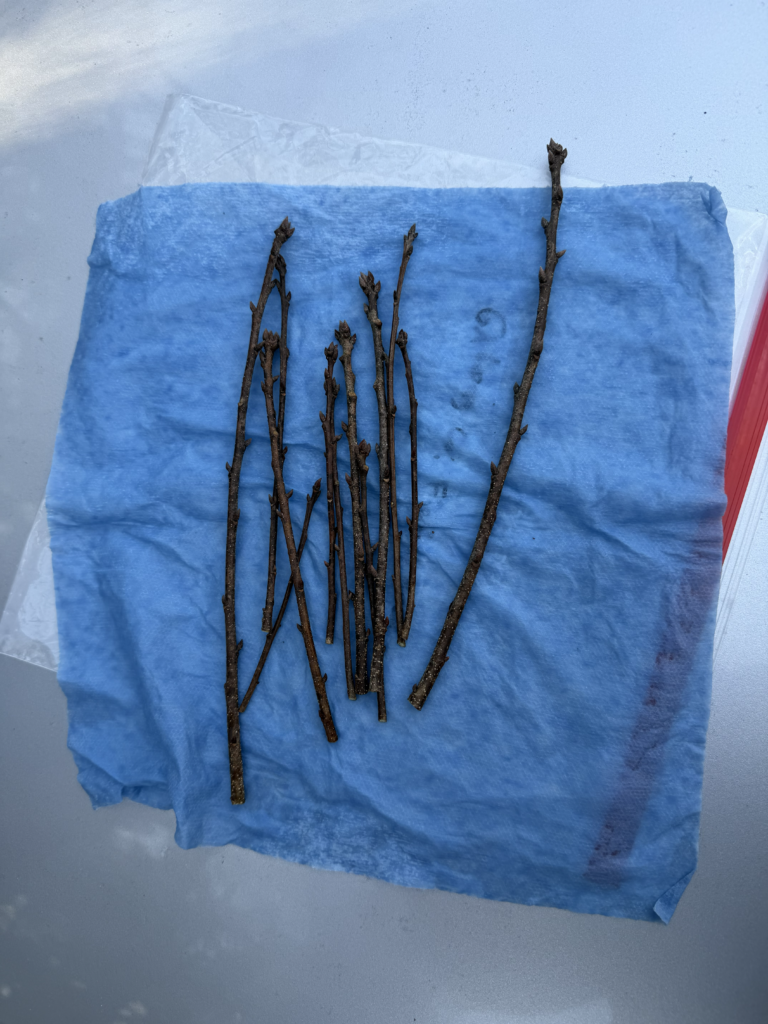
When it comes to rare plant conservation, propagation via seed and grafting serve complementary roles in living collections. Seed collecting offers the best chance of capturing broad genetic diversity within a species, which is why early bluff oak conservation efforts focused on gathering acorns across its range. However, seed-grown plants reflect the unknown pollen sources that fertilize the mother tree, which means they can include hybrids if the pollen came from a different oak species. Clonal propagation, by contrast, preserves a single, known genotype. This is especially important for bluff oak, whose remaining populations often consist of isolated trees or small, scattered groups. If one of these sites were to be lost to development, storms, or other disturbance, the genetic lineage it contains would disappear with it. By clonally propagating vulnerable or solitary trees and establishing them in ex situ collections, we ensure that these locally adapted genotypes are not lost and could one day be used to restore or reinforce wild populations.
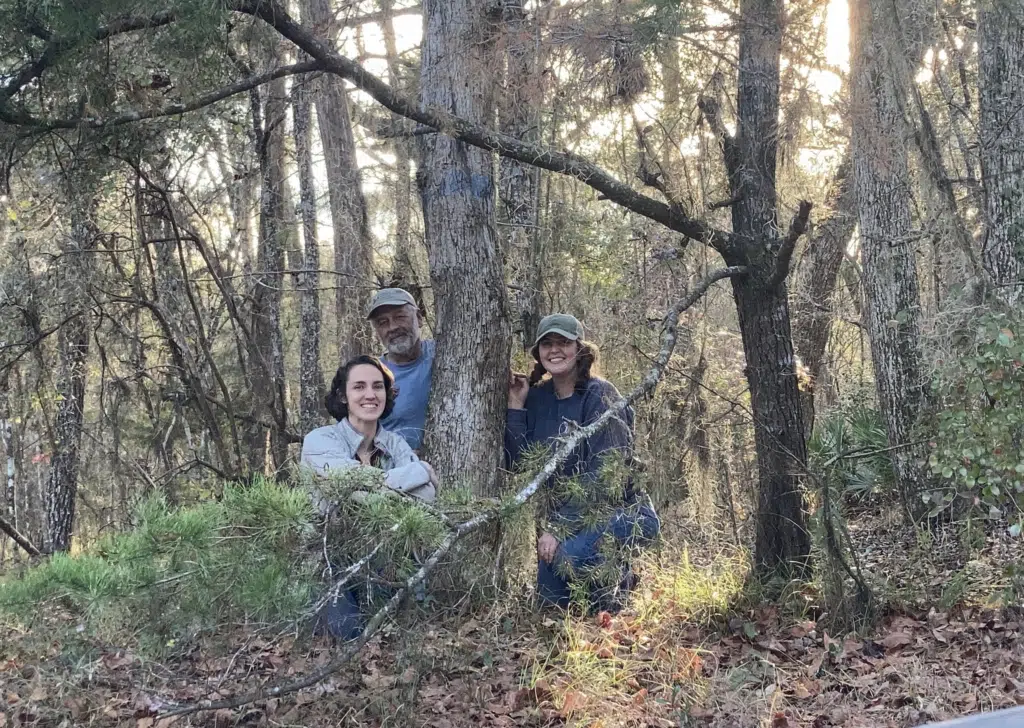
Despite their great ecological, economic, and cultural value, many oaks are under threat of extinction. Because acorns cannot be stored in seed banks, the protection of wild populations as well as the safeguarding of trees ex situ in living collections are both imperative for effective conservation. Each acorn and each piece of scion wood represent a specific decision about how best to ensure a species’ future. The bluff oaks we have propagated will live on in botanic gardens and arboreta across the country, but the long-term future of the species depends on collaboration among collection managers, conservation planners, and land managers. Through these collaborative efforts, we can live in a world where not only are rare species like bluff oak maintained in cultivation, but where no species need to go extinct in the wild.
Alexandra Faidiga
Assistant Curator
Alex collaborates with the Curator of Living Collections, Plant Records Curator, and horticulture staff to ensure the Living Collections are not only captivating but also meaningful for research, ecology and conservation. Alex also helps coordinate collecting trips to acquire new plants for the Living Collections and documents them using GIS and our plant records database. She is motivated by the role public gardens can play in preserving biodiversity and loves helping people discover their new favorite plant.
Here’s more to explore

May 29, 2026
It’s Poppin’: May 29
By Alexandra Faidiga, Assistant Curator
We’ve almost made it to June, and there is a lot going on in the gardens this time of year. At the arboretum, rhododendrons are still blooming throughout the Helen... more

May 15, 2026
It’s Poppin’: May 15
This cool weather has really kept things poppin’ in the gardens. Although we lament it by this time of year, cool springs make for longer blooming seasons. We have a suite... more

May 1, 2026
It’s Poppin’: May 1
By Alexandra Faidiga, Assistant Curator
It’s May, and it’s definitely Poppin’! The exceptionally warm March we experienced this year has resulted in earlier bloom times than usual for many plants in our collections, including rhododendrons.... more

April 23, 2026
It’s Poppin’: April 23
It’s Poppin’ out there! The warm weather we have been having the past couple of weeks (minus the two nights where we hovered around freezing) have caused the gardens to... more

April 10, 2026
It’s Poppin’ April 10
By Alexandra Faidiga, Assistant Curator
Welcome to It’s Poppin’ 2026! Check in every week to discover the seasonal highlights in our living collections selected by curatorial staff at the Holden Arboretum and Cleveland Botanical Garden. We’ll... more

March 6, 2026
How To Hand-Pollinate Vanilla
By Sadie Smith, Senior Horticulturist
One of my favorite plants is the vanilla orchid and I am lucky to have a mature vanilla orchid in the Madagascar biome that flowers fairly regularly. When the vanilla... more
July 17, 2025
It’s Poppin’: July 17
It’s summer! Did you enjoy the long holiday weekend? If you took time off from visiting our campuses, now is the time to come back, as our summer wildflowers are... more

July 3, 2025
It’s Poppin’: July 3
By Alexandra Faidiga, Assistant Curator
Happy 4th of July! There’s plenty to see out in the gardens this weekend, with milkweeds, black-eyed Susans, and a host of other mid-summer favorites in bloom. Cleveland Botanical Garden... more

June 20, 2025
It’s Poppin’: June 20
Hot and sticky weather arrived this week! This week I teamed with Angelica Vasilatos, Ferry Foundation curation intern at the Botanical Garden, to detail what’s poppin’ in Kirtland and Cleveland. ... more