On International Day of Women and Girls in Science, we’re taking a moment to appreciate the talented researchers advancing our understanding of forests, plants, and the ecosystems they support. From tracking devastating forest diseases to unraveling how plants adapt to climate change, these scientists are asking critical questions—and finding answers that shape conservation across the region and beyond.
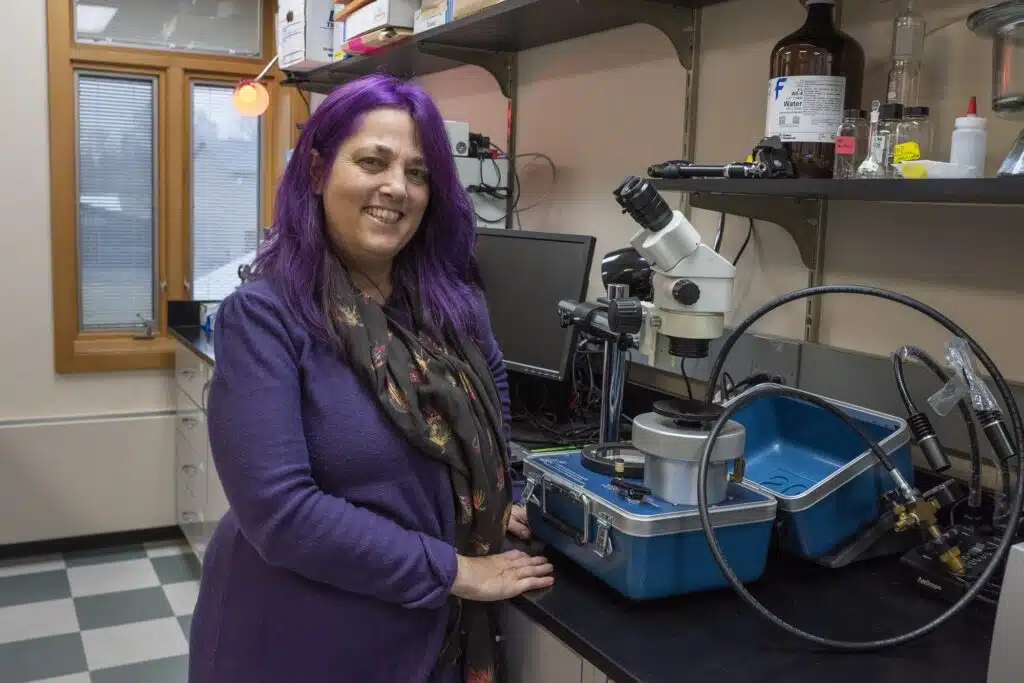
Dr. Juliana Medeiros leads research on the complex relationships between plants and their environment, focusing on how plants coordinate their functions and respond to environmental stress. Her lab uses techniques from ecophysiology and evolutionary ecology to understand plant adaptations, and she’s a leading expert on the genus Rhododendron.
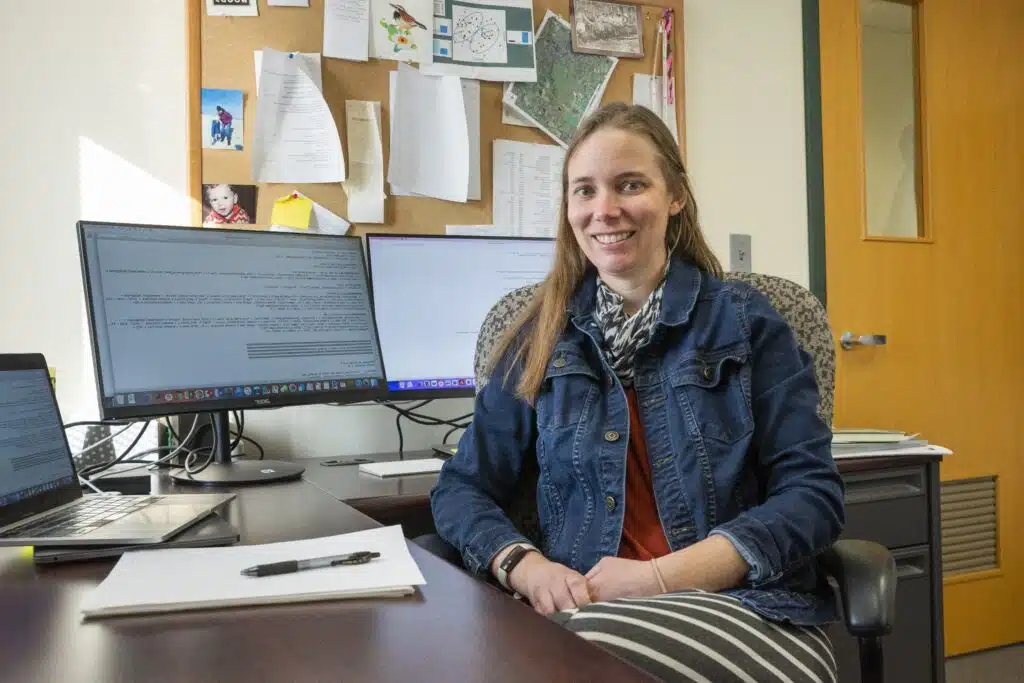
Dr. Katie Stuble investigates the fundamental mechanisms that maintain diversity in plant communities and how climate change and invasive species are reshaping those communities. She studies how global change alters interactions between species—from competition to mutualisms—with much of this work happening in Holden’s own forests.
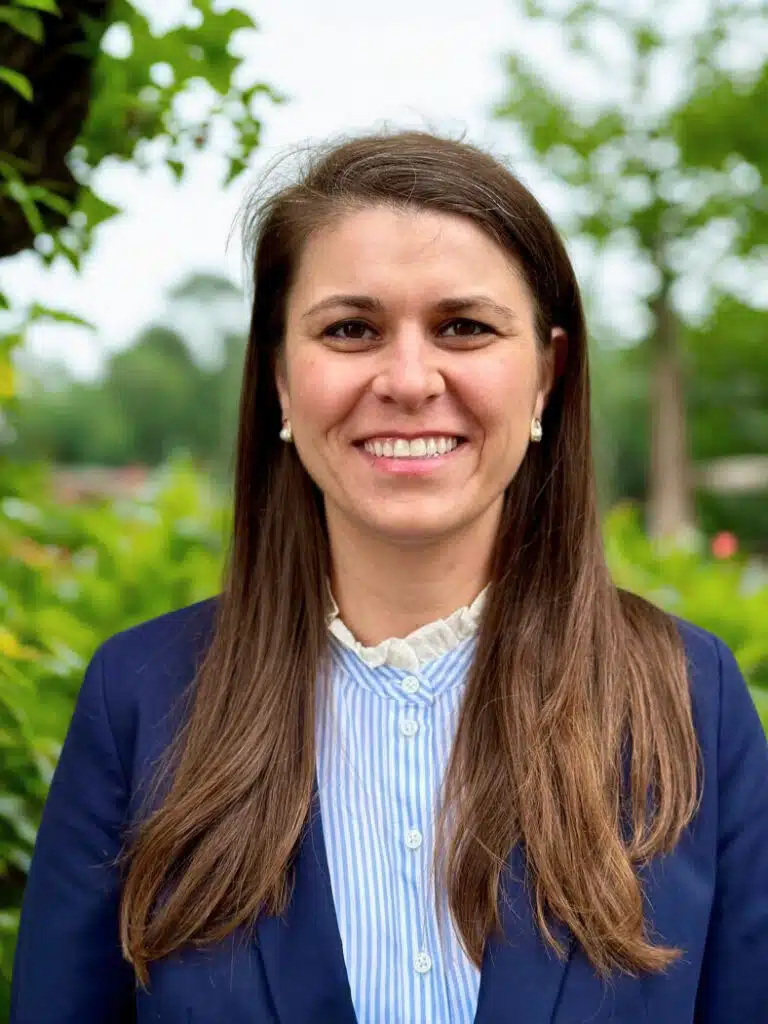
Dr. Samantha Worthy studies why certain plants thrive in one forest type but never make it into an adjacent one—patterns that could help predict where species will shift as climate changes. From tropical forests in Ecuador to temperate forests here at Holden, her research spans ecosystems and continents. She’s particularly excited about collaborating with Holden’s seed bank and using decades of rare plant data to track how restoration efforts affect populations over time. “It’s the unbounded beauty of nature, from forests to fens, that motivates my research into understanding and conserving these ecosystems for the future,” she says.
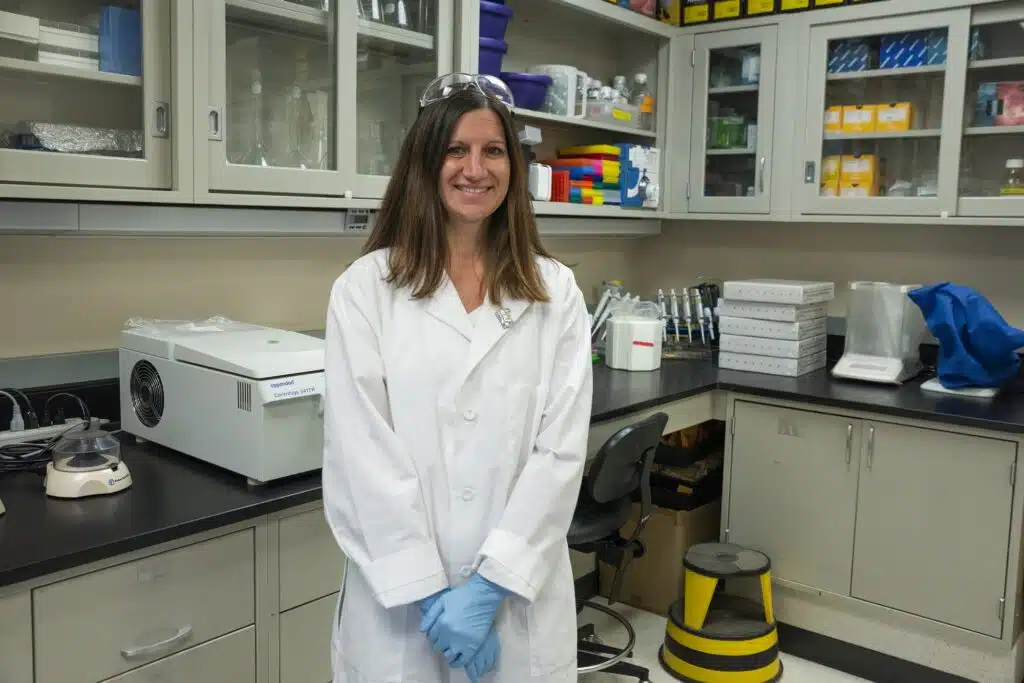
Dr. Sarah Carrino-Kyker studies the microbial communities living in forest soils and how environmental changes affect the tiny organisms. “I love getting to use DNA sequencing to study soil fungi!” she says. “It gives us a window to see these important organisms below ground, even if we don’t see any mushrooms or sporocarps aboveground.”
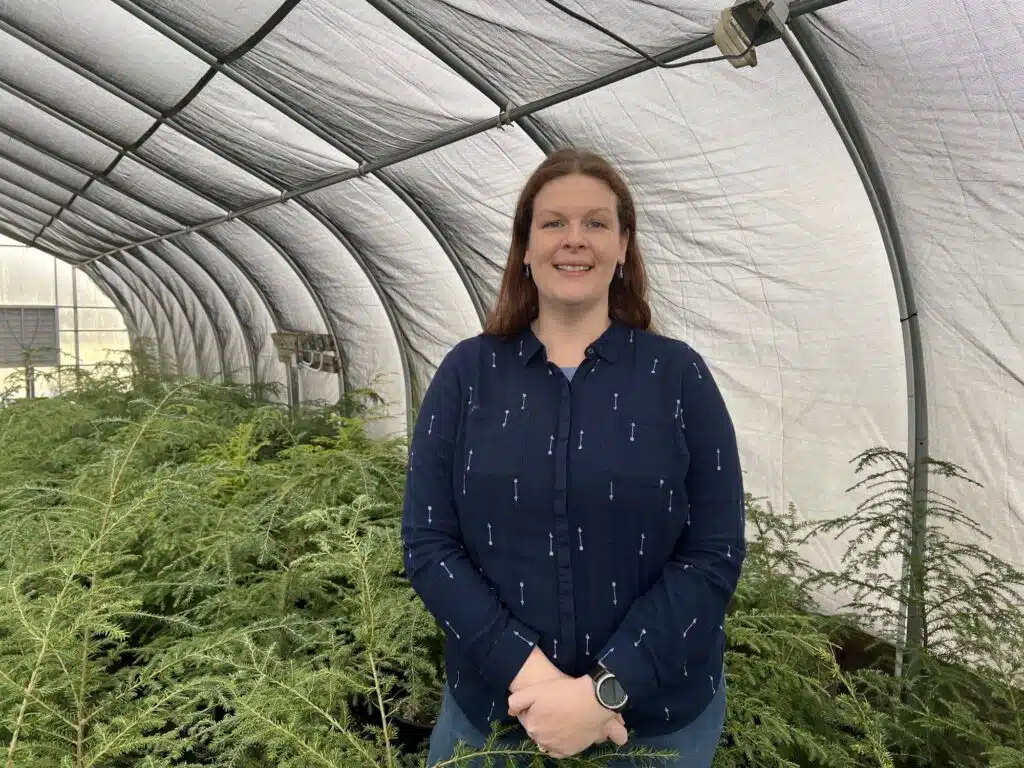
Dr. Rachel Kappler protects species in forest ecosystems. Her current research on eastern hemlock, American beech, and ash trees supports future breeding programs that could help these species survive against invasive pests and diseases. “I’ve focused my career on science because of my interest in species protection and love of the outdoors,” she says. “Finding what helps nature thrive motivates me to continue conducting research. It makes me feel great that I’m doing my part to keep more species of trees in the forest near my home.”
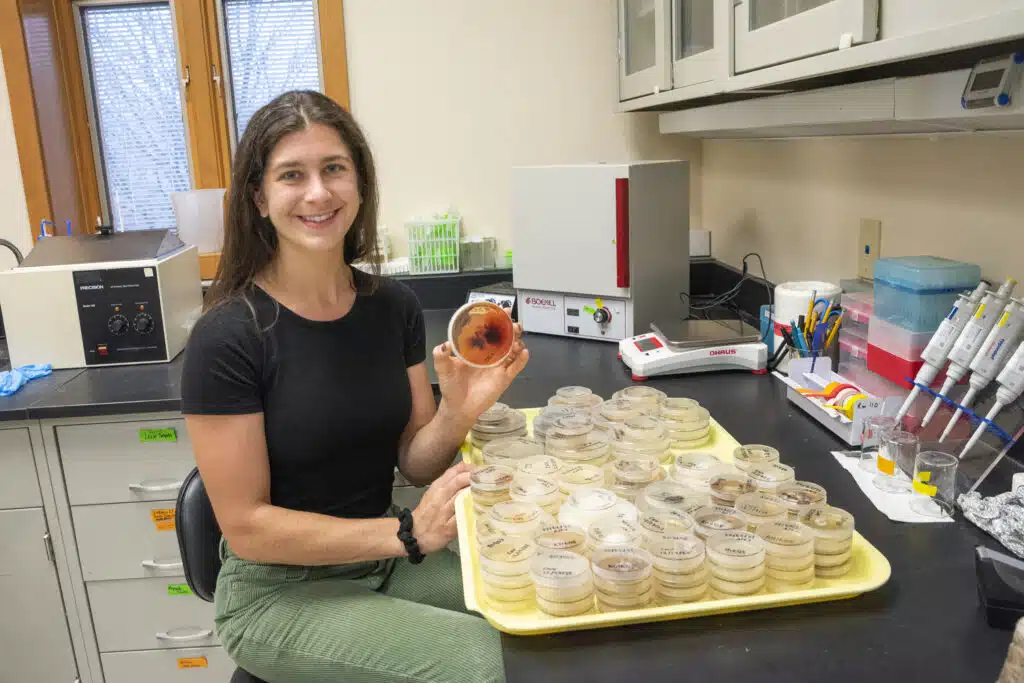
Claudia Bashian-Victoroff is a fungal ecologist investigating how mycorrhizal fungi can help trees thrive in Cleveland’s urban environment, where soil compaction and pollution create challenging growing conditions. Beyond their research, they’re passionate about sharing the importance of fungi through teaching and mentorship.
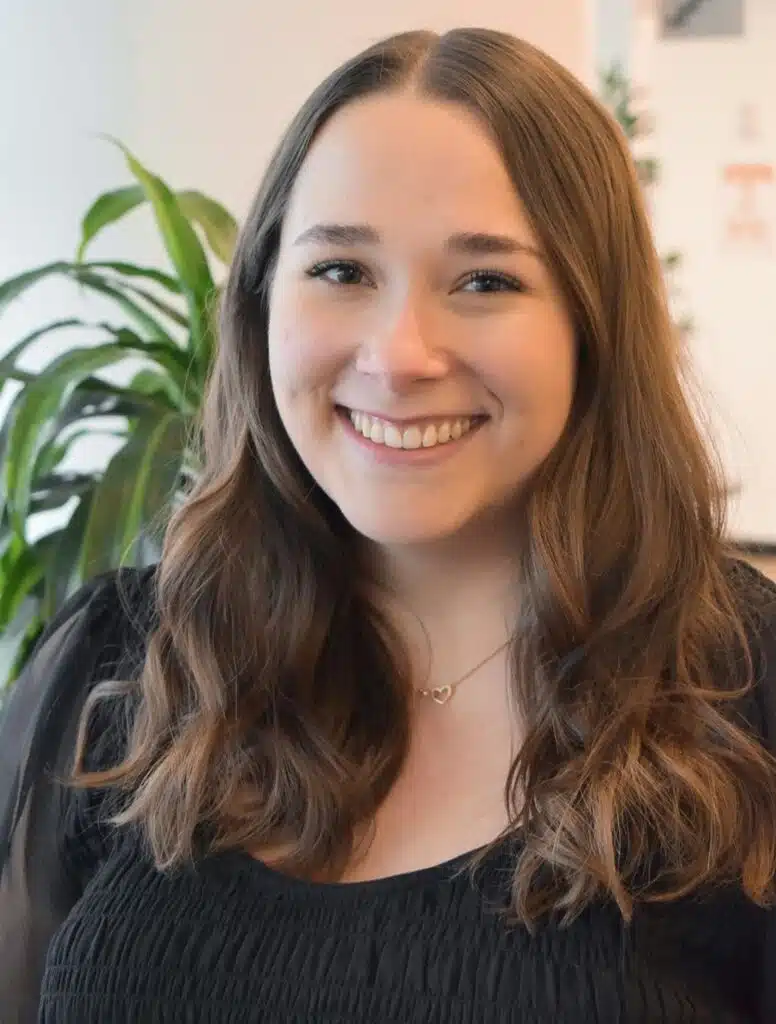
Alorah Filak works in the Burke Lab on eastern hemlock resistance to hemlock woolly adelgid, an invasive pest devastating native hemlock populations. Her goal is to advance propagation techniques for resistant trees.
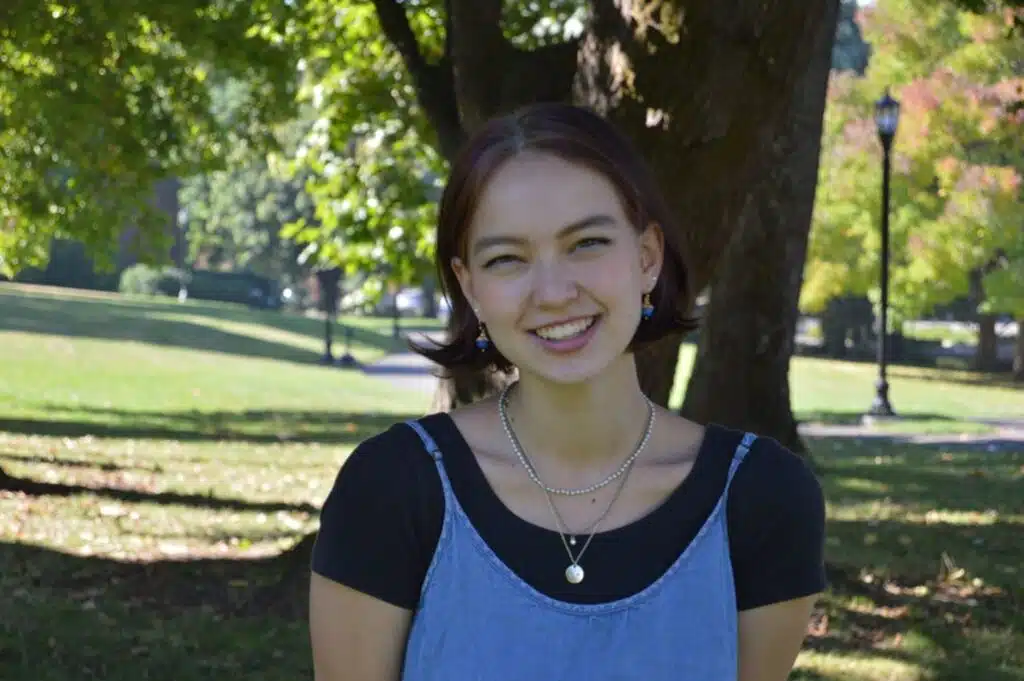
Dylann Nakaji-Conley contributes to research on how plant variation interacts with environmental factors, particularly in the context of photoprotective pigments. With a background in environmental chemistry, they bring an interdisciplinary lens to understanding how plants adapt to new challenges. “I have always had a natural curiosity for the world around me, especially plants, but growing up, being a scientist felt lofty and out of reach,” she says. “As a high school volunteer at the Long Science Center, I saw that research could be a welcoming place for women as leaders and that science was a process of imperfect inquiry rather than pure genius. Curiosity and persistence are the essential qualities of any scientist.”
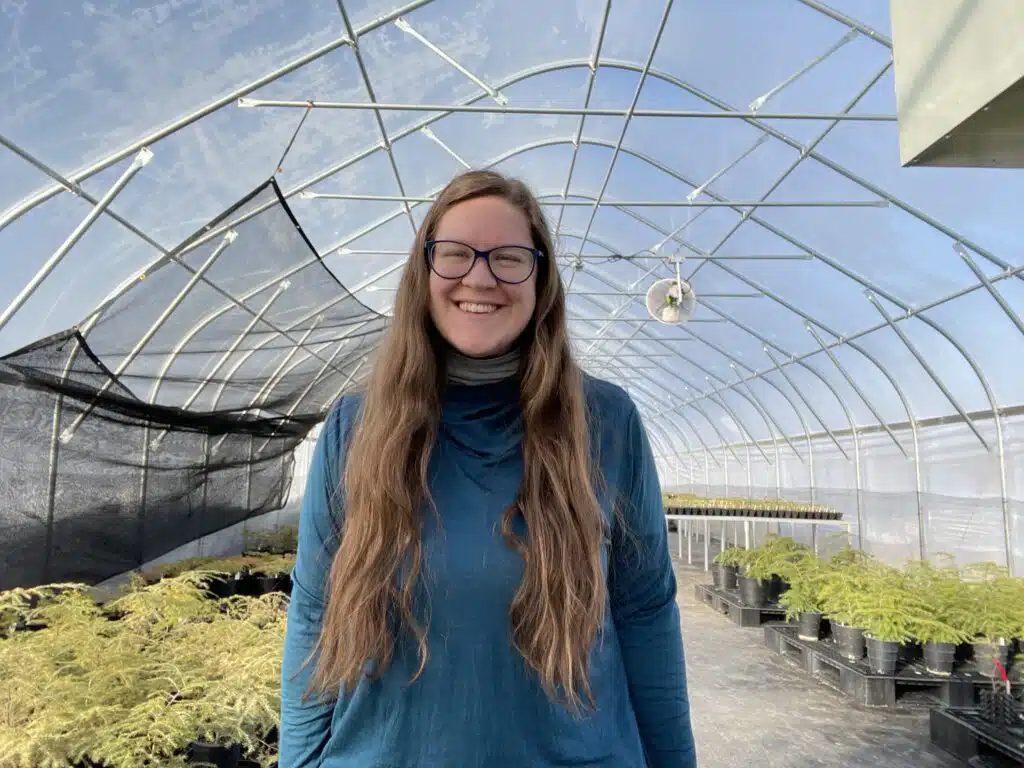
Rory Schiafo recently joined Holden to work on eastern hemlock conservation, bringing expertise in how invasive species and land-use history shape forest communities.
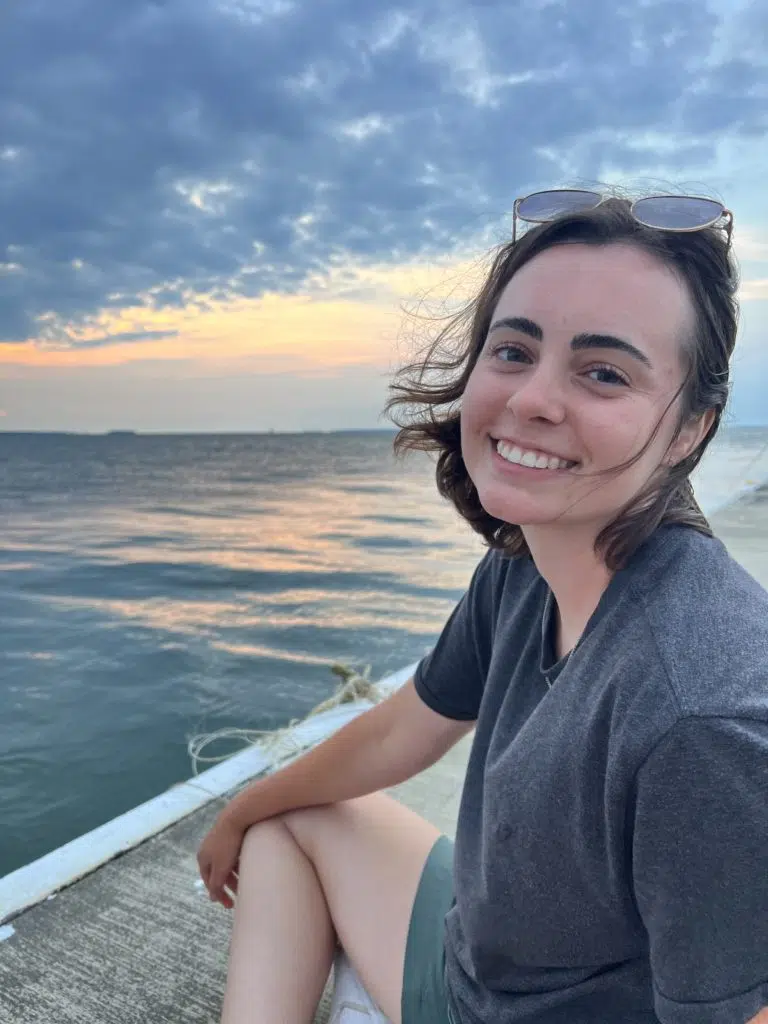
Miranda Setzer, a PhD candidate in the Medeiros Lab, explores how Rhododendron minus—an evergreen shrub native to the Southeast—tolerates stress from drought and intense sunlight across different habitats. “I’ve been curious and eager to learn for as long as I can remember, always asking questions and observing details since I was a child,” she says. “I love being a scientist because I enjoy using data from experiments to solve problems and make new discoveries.”
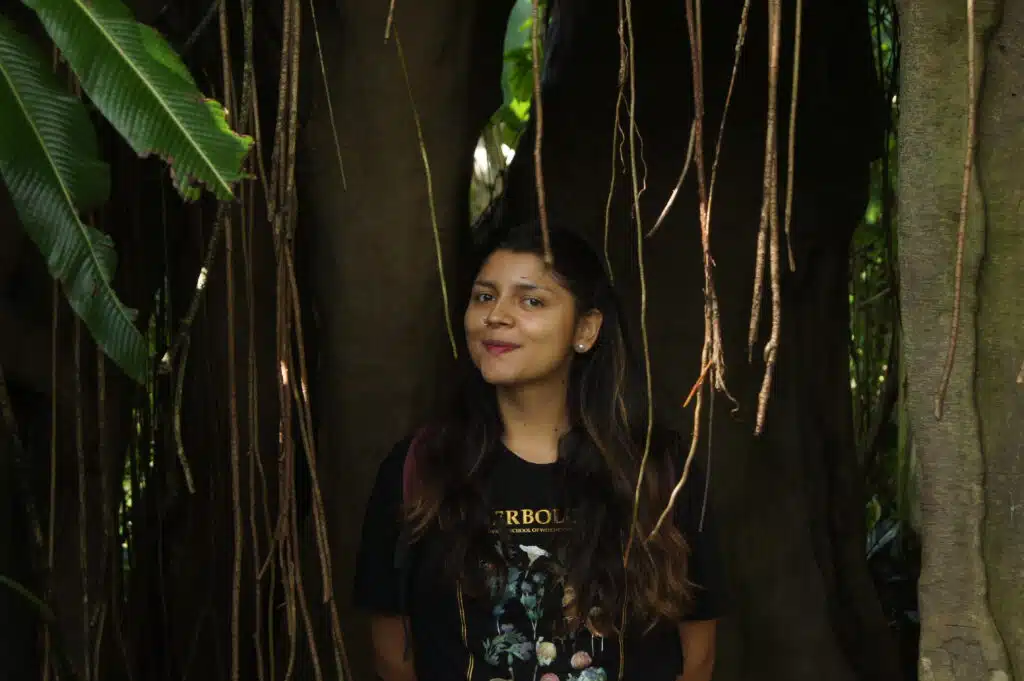
Catalina Valderrama investigates how Rhododendron flowers vary in response to pollinators and climate, studying everything from flower shape to the scents they produce. She also coordinates volunteer programs that engage the public in monitoring Rhododendron phenology and pollinators. “I am excited about getting involved with the community and volunteers and being able to share my knowledge and experience,” she says. “Also, the feeling of discovering new things, answering questions, and even having more questions than before is a great experience. I am excited to keep helping the community while discovering all the amazing things about plants and pollinators.”
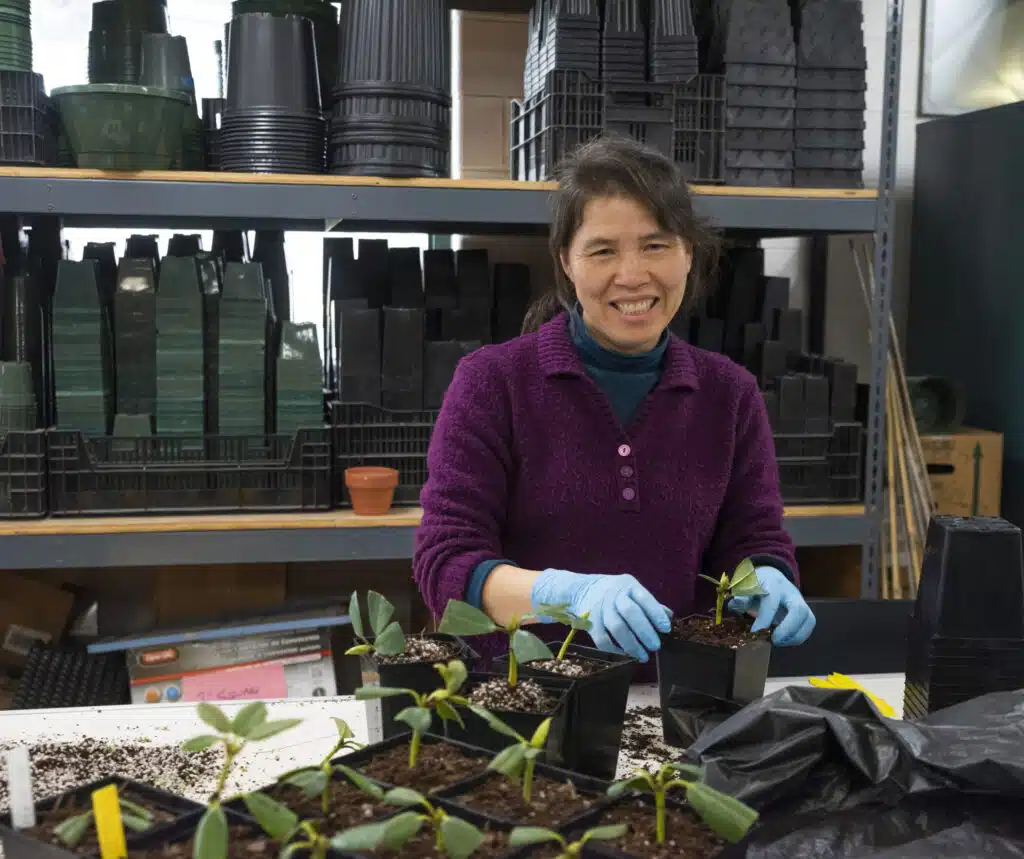
Jing Wang manages Rhododendron breeding populations and display gardens at Holden’s Leach Research Station. She also assists with experiments, data collection and analysis, and database management of plant collections at the Long Center for Plant & Environmental Science.
Thank you to all the women advancing science at Holden—your work shapes healthier forests and a deeper understanding of the natural world.
Anna Funk, PhD
Science Communications Specialist
Anna Funk is the Science Communication Specialist for Holden Forests & Gardens. She earned her Ph.D. studying prairie restoration before leaving the research world to help tell scientists’ stories. Today, she wears many hats, working as a writer, editor, journalist and more — anything that lets her share her appreciation of science and its impact with others.
Here’s more to explore

October 17, 2025
Meet Samantha Worthy, Holden’s Newest Scientist
By Anna Funk, PhD, Science Communications Specialist
The forests at the Holden Arboretum are a patchwork of ecosystems — a mosaic of beech, oak, and hemlock stands that shift from one to another in the space of... more

April 6, 2022
Get to know Tom Arbour: Curator of Living Collections
By Tom Arbour, Curator of Living Collections
I’m relatively new to the Holden Forests and Gardens. I started last September after a 20+ year career working for the Ohio Department of Natural Resources. In the short time... more

February 10, 2022
Get to know a scientist: Connor Ryan
By: Emma Dawson-Glass, Research Specialist Where do plants come from? No, we’re not talking about the birds and the bees or the sun and the soil. Many of our favorite... more

December 16, 2021
Get to know a scientist: Alexa Wagner
By Emma Dawson-Glass, Research Specialist Scientists as a demographic are often viewed as a mythic group—the keepers of knowledge, uniquely capable of understanding complex systems, destined to their career choice... more

January 12, 2026
10 Questions with Jessica Hudson, HF&G’s New VP of Development
Q: What excites you most about working for Holden Forests & Gardens?A: My excitement surrounding Holden Forests & Gardens is immeasurable. I am eager to experience the year-long beauty of... more

December 5, 2025
What’s Happening Below the Forest Floor? Lessons Learned from Decades of Soil Data
By Sarah Kyker, PhD, Postdoctoral Research Associate
Caring for our planet includes an assurance that our natural ecosystems have a diversity of living things, clean water, thriving plants, and resiliency to disturbance. Soils are instrumental to all... more

July 30, 2025
Discover What Happens Behind the Scenes at Holden at the 10th Annual SEARCH Symposium
By Anna Funk, PhD, Science Communications Specialist
Curious about what goes on behind the scenes at Holden Forests & Gardens? The 10th annual Symposium for Ecological Research (SEARCH) offers a window into the real work happening across... more

June 17, 2025
Get to Know Forest Forms Artist, Huelani Mei
If you’ve been to the Holden Arboretum recently, you’ve probably seen the bright and beautiful sculptures of the Forest Forms exhibit standing out against our green landscapes. They were created... more

April 28, 2025
Study Shows Forest Soils Still Bear the Scars of Industrial Pollution
By Anna Funk, PhD, Science Communications Specialist
KIRTLAND, OHIO — After 12 years of carefully tracking tree growth and soil chemistry, researchers at Holden Forests & Gardens (HF&G) have confirmed that phosphorus is now a limiting nutrient... more